
- It marks the beginning of a new year in the lunisolar calendar, which was developed in ancient China.
- Often known in the West as Chinese New Year, the Lunar New Year occurs on the first new moon of the lunar calendar.
- Lunar calendars consist of 12 months, each month corresponding roughly to one cycle of the moon.
- Because 12 lunar cycles do not fill a whole year an extra month is added periodically to Lunar calendars to stay close to the solar year.
- Since the lunar calendar is based on the cycles of the moon, the date of Lunar New Year is different each year.
- However, it is usually in January or February. In 2026 it was on 17 February.
- Commonly known as the Spring Festival in China, Lunar New Year is a fifteen-day celebration marked by many traditions.
- It is the most important holiday of the year for China.
- It is also celebrated widely in Taiwan and across Southeast Asia in countries with large Chinese populations, such as Singapore, the Philippines, and Malaysia.
- In Korea, the Lunar New Year is called Seollal; in Vietnam it is called Tet; and in Tibet it is called Losar.
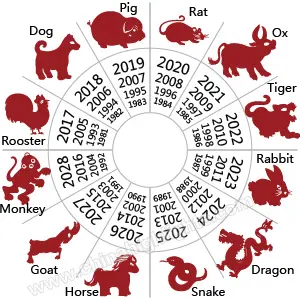
- Each year is symbolised by one of the 12 animals of the Chinese zodiac.
- The zodiacs and their orders are Rat, Ox, Tiger, Rabbit, Dragon, Snake, Horse, Goat, Monkey, Rooster, Dog, and Pig.
- 2026 is the Year of the Horse; while 2025 is the Year of the Snake.